
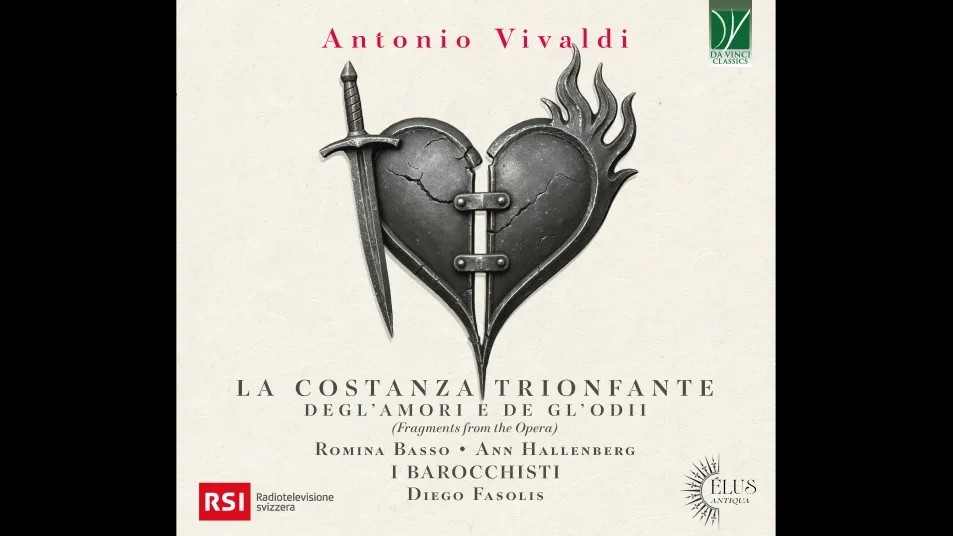
RECORDING — We reach a unique milestone in the history of Utah Theatre Bloggers with this review. We have been attempting to expand our opera footprint in reviewing more local opera companies. In this vein. We received a unique opportunity to review a new recording of fragments of a lost opera by Antonio Vivaldi that premiered in 1716 in Venice. La Costanza Trionfante (or Constancy Triumphant) was composed by Vivaldi at the height of the Carnival season and at the height of Vivaldi’s compositional popularity and prowess.
La Costanza Trionfante, or the full title which is La costanza trionfante degl’amori e degl’odii (Constancy Triumphant Over Love and Hate) tells the story of the battles between Rome and Parthia. The plot follows the Artabano, King of the Parthians, who defeats Tigrane, King of Armenia. He abducts Queen Doriclea, who he falls passionately in love with. The main action of the opera concerns Doriclea’s intense torment, constancy and hope while facing the brutal advances of Artabano. Following numerous trials, her constancy triumphs and is rewarded with a reunion with her husband, and the pardon of the defeated tyrant.
This opera was an immediate hit in Venice and though it was travelled around Italy and Central Europe from 1719 to 1732, no complete version has survived. What we currently have is approximately 20 arias and duets that have either survived, or been reconstructed from parody references in other Vivaldi operas. At this time it was quite comment for composers to borrow or outright copy arias from previous compositions to include in new works. Vivaldi often copied form the best composer he knew, himself. It was also a common practice with another well-known composer, Handel.

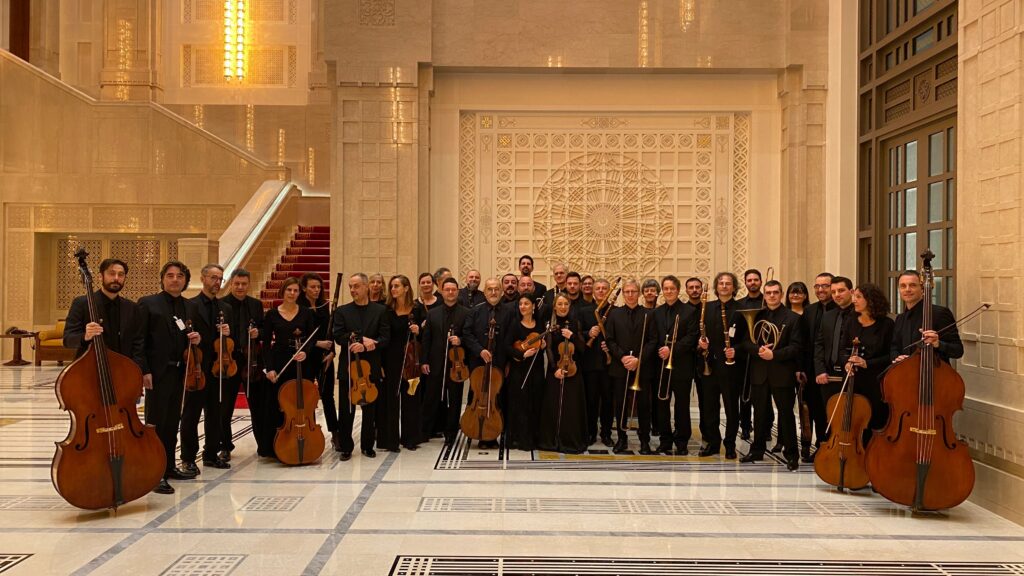
In this new recording by I Barocchisti, under the baton of Diego Fasolis, with Romina Basso and Ann Hellenberg, both Mezzo sopranos, and the Coro della Radiotelevisione Svizzera, the focus in on the arias, and mainly the arias that have not yet been recorded. The opening sinfonia is lost , and the Vivaldi composition Sinfonia in F Major RV 135 is used in a version with two horns. There are two choruses included, but they are adapted from other operas by Vivaldi as they would be have been used in the opera itself. The first is a hunting chorus taken from the 1716 opera Arsilda regia di Ponto, and the final chorus which would have closed the opera as Tigrane returns to claim his wife, Doriclea.

I Barocchisti is simply superb on this recording. They specialize in performing on period instruments utilizing authentic performance practices from Switzerland and Italy. Their performances are crisp and clean and just what you would expect from such talented musicians. They recreate an authentic soundscape, and provide a clear vision of what Vivaldi’s opera would have sounded like at the time of it’s premier. Diego Fasolis masterfully conducts these musicians in a stunning recording.
As with all opera, the singers are the real focus. A vocalist can have amazing talent and artistry, but can be miscast. Thankfully, this recording has two expertly talented mezzo sopranos, and they are used to showcase their many talents. The arias, as reflecting the story and tone, vary from joyful and hopeful arias to more contemplative and mournful in tone. The two singers, Ann Hallenberg and Romina Basso, have wonderfully clear tone and incredible agility. Vivaldi’s vocal music is not for the faint of heart. It is exceedingly difficult music to perform well. It has loads of runs, leaps, and long arpeggiated passages. These singers manage them all with clarity and apparent ease. Singers will have either a lighter or darker tone to their voices and these two are expertly given the arias that fit their vocal tone and abilities. Ann Hallenberg has a lighter tone, and a grace and agility that soars through the coloratura passages. Romina Basso has a darker tone to her voice which pairs perfectly with the more sorrowful arias. Yet again, she has an agility to her voice that is delightful in a darker toned voice. She also soars through coloratura passages. Both these singers are expertly chosen for this recoding and it is a real joy to hear such artistry perform Vivaldi’s music.
This recording is a treasure for anyone interested in early music or specifically the music of Vivaldi. Not much of his vocal music has entered the standard repertoire, and this recording and the accompanying materials serves as a standard going forward for music research and presentation. This won’t be to everyone’s taste, but it is an excellent addition to early music recordings and a worthy addition to anyone’s collection of opera recordings.
The official release date is June 19, 2026. For more information, visit Da Vinci Publishing.